Travel Guide to Mexico City: 7 Trendy Neighbourhoods to Explore
Last Updated:
As the largest North American city, planning a visit to Mexico City can get overwhelming. To ease this, I wrote this travel guide to Mexico City highlighting my favourite barrios. From iconic monuments and the local gems in between, I hope this post inspires you to visit and be able navigate the Mexican capital with confidence.
Disclosure: Booking tours or hotels via the links below may earn me a commission, at no extra cost to you. As a responsible travel blog, I try to recommend businesses that directly benefit the local economy. Earnings will go back to the maintenance of the travel guides provided on The Thrill of Pursuit. Thanks for your support
<3 Dominique

With a nickname like “The City of Palaces”, Mexico City had always captured my imagination. I dreamt of taking a stroll on the Zócalo (the main square) and visiting many of the (rumoured) 200 museums within the city.

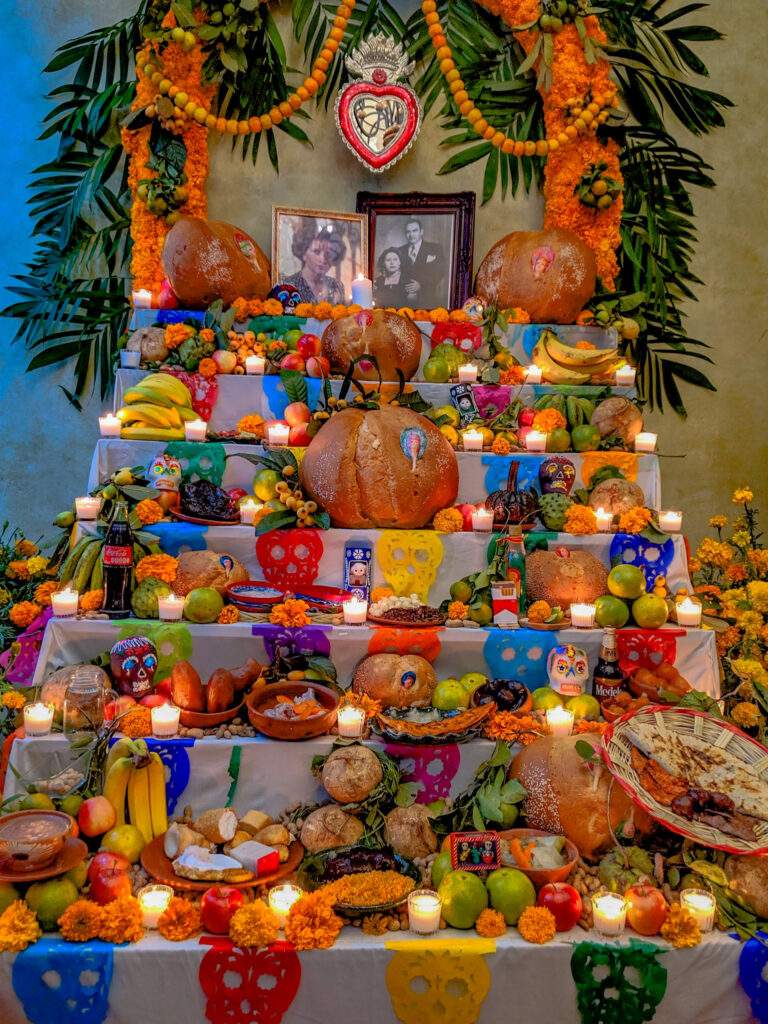
I was finally able to visit CDMX (acronym for Ciudad de México) to celebrate Día de Muertos (Day of the Dead). The Día de Muertos festivities dominated my CDMX itinerary. I met some awesome people and ended up abandoning my plans and going on day trips with my new friends. This left my last Monday in CDMX to knock things off my CDMX wish list.
What I didn’t expect: MOST museums and public buildings on the Zócalo are closed on Mondays!
I didn’t explore the city in the most efficient way. But this is precisely why I’m sharing my travel guide to Mexico City. Below are my fave CDMX neighbourhoods with suggestions for things to see and do.
For ideas that are not organized by neighbourhood, check out: 15 Wonderful Things To Do in Mexico City

Travel Guide to Mexico City’s Trendiest Colonias
Centro Histórico
Centro Histórico WAS Mexico City up until the 1900s. After the Mexican Revolution, the city grew rapidly and the urban sprawl spilled westward. Today, Centro Histórico is the historic centre of CDMX. It is here where you will find the famous Zócalo – the main square in central Mexico City.
Centro Histórico roughly correlates to where the Aztec capital of Tenochtitlan once stood. The Aztecs founded Tenochtitlan on an island in the middle of Lake Texcoco. It was the grandest city in all of Mesoamerica and rivaled many European cities. By the time the Spanish arrived, a sophisticated system of canals and causeways served thousands of residents that lived in and near Tenochtitlan. There were great towers and buildings built out of masonry coming out of the lake that the Spaniards questioned whether the city was a dream…
… so naturally, the Spaniard razed the entire city and founded CDMX on Tenochtitlan’s ruins.

For centuries, the political, economic and social life of Mexico City unfolded from the Zócalo area. The cityscape changed as the 16th century saw a boom of churches and then an 18th century craze to build the most opulent homes. The concentration of opulent churches and homes found in this area earned CDMX its nickname “The City of Palaces”. Any Centro street is a trip back in time!

This travel guide to Mexico City is for those who have limited time in the city. It only covers my highlights. More comprehensive guides on Centro Histórico are available.
Things to See in Centro Historico:
- Templo Mayor – are the ruins of the main temple of the Mexica peoples (aka the Aztecs). Throughout the neighborhood, you can find traces of the old Aztec capital destroyed by the conquistadors. Templo Mayor is a dedicated archaeological site to CDMX before the Spanish conquest.
Note: Templo Mayor is closed on Mondays.
- Metropolitan Cathedral – the oldest cathedral in the Americas. It was built over top the sacred precinct of the Aztecs which includes Templo Mayor.

- History of Mexico mural in the Palacio Nacional – or Palacio Nacional is a government building that dominates the eastern side of the Zócalo. The conquistadors built the Palacio over the ruins of the former palaces of the Aztec rulers, using many of the original building materials from Moctezuma II’s palace. In the main stairwell of the Palacio Nacional is the History of Mexico mural by Diego Rivera. This epic mural traces Mexico’s history from ancient to current times.
Note: this building is closed to the public on Mondays. You can find many Diego Rivera murals throughout the neighborhood and they are free of charge! Looking for these murals is another great way to explore the city.

- Torre Latinoamericana – the world’s first major skyscraper successfully built on highly active seismic zone. It survived an 8.1 magnitude earthquake without damage. On its 44th floor, you can find Mexico’s highest observation deck.

Where to Stay in Centro Historico:
- For budget travellers, check out Hotel Catedral.
- If you’re working with a mid-range budget, check out Historico Central Hotel.
- For those looking for a more luxurious stay, check out the iconic Gran Hotel (Ciudad de Mexico) which is right at the Zócalo!
Zona Rosa
Directly west of Centro Histórico is the Zona Rosa neighbourhood. Here you can find the centre of CDMX’s gay community and Little Korea (‘Pequeño Seúl’ en español). The Angel of Independence, CDMX’s most recognizable landmark, is located here. Zona Rosa is popular for its vibrant nightlife, restaurants, and luxury hotels.
Things to See in Zona Rosa:
- Angel of Independence – is a monument to celebrate Mexico’s first 100 years of independence from Spanish rule. A mausoleum at the base of El Angel inters heroes of Mexican Independence. By a very special permit, you can climb to the top of the monument.

- The Nightlife – if you’re looking to dance into the early hours, Zona Rosa is the neighbourhood to be in. I got up early on a Saturday morning to beat the crowds at Chapultepec Castle and ran into young drag queens ending their night on the streets of Zona Rosa. You will find plenty of bars and clubs in this area but, of course, some are better than others.

- Koreatown – Zona Rosa is also home to CDMX’s Pequeño Seúl or ‘Little Seoul” in Spanish. A majority of the CDMX’s Korean community lives near Zona Rosa. As a result, the area an abundance of all things Korean: cuisine, beauty products, and karaoke. If you’re looking for a fun night out, pop in at any of the karaoke bars in Zona Rosa.
Where to Stay in Zona Rosa:
- For budget travellers, check out Hotel Benedicta.
- For those with a mid-ranged budget, check out Hotel Geneve. This is where I stayed on my most recent visit to CDMX and loved it. I loved the concept of this museum hotel and its proximity to everything I wanted to see during that visit.
If you’re looking for a luxury stay, check out Sofitel Mexico City Reforma.
Roma Norte
South of Zona Rosa and west of Centro Historico is the Roma Norte neighbourhood. In the early 19th century, this area was a residential area for wealthy people who wanted to get away from the deterioration of the city centre. The streets and houses were designed and built based on European styles which gave the neighbourhood a very unique character.

Many of the wealthy moved out to more modern neighbourhoods in the 1950s and the old mansions of Roma Norte fell to disrepair. Modern, multi-use buildings replaced many mansions, altering the character of the neighborhood. Between the 1950s and 1990s, Roma started to decline from its former upscale glory. In the 2000s, it had a revival as a bohemian neighbourhood attracting artisanal businesses back in the area. These businesses attracted young writers, artists, and hipsters back to the neighbourhood and rent started to rise.

While Roma Norte is seen as the grittier counterpart of the Condesa neighbourhood, it is known as the centre of hipster culture. It also rivals the Polanco colonia as the center of the Mexico City gastronomy scene. The neighbourhood has an exciting nightlife, plenty of charming cafes, as well as bars and restaurants. There have also been efforts in restoring the colonia back to its aristocratic and upscale glory.

Things to See In Roma Norte:
- Avenida Álvaro Obregón – is the largest street in the neighbourhood where you can enjoy the Art Nouveau and Neo-Classical architecture of the surviving, original mansions.
- The Food Scene! Roma Norte is home to the trendiest eateries, cafes, and bars in the city. To get a local’s perspective on which places are worth it, I went on this food tour which I highly recommend.
- Mercado Roma – is a gourmet food hall offering organic and other food products for sale. There are stands where visitors can eat a variety of cuisines (pozole, tacos, tapas, hamburgers, oh my!). Some of the stands are from famous restaurants and shops outside the food hall.
Where to Stay in Roma Norte:
- For budget travelers, check out Roma Conesa Hotel Boutique or Hotel Marbella.
- If you’re working with a mid-range budget, check out Stanza Hotel.
If you’re looking for a luxury stay, check out Maison Celeste or ONTO Alvaro Obregon Mexico City.
Condesa
Directly west of Colonia Roma is Condesa. This area was once part of an estate belonging to a countess – hence its name. La Condesa is a very fashionable neighbourhood with plenty of shops, bars, restaurants, parks, and a trendy night life. Like its hipster counterpart (Roma), Condesa is architecturally significant to CDMX. You can find a large concentration of Art Deco buildings in this neighbourhood.

Points of Interest
- Parque Mexico – a large urban park that serves as La Condesa’s cultural centre. They often hold community events here.
- Avenida Ámsterdam – an elliptical avenue adjacent to Parque Mexico. Take a stroll on it to see the Art Deco and modest homes in the colonia.
- Food scene! (again) – get to know one of the trendiest barrios in CDMX while sampling tacos recommend by the Michelin guide via this food tour.
Where to Stay in Condesa:
- For budget travelers, check out Casa Lalique or El Alfonsa.
- If you’re working with a mid-range budget, check out Hotel Casa Cuenca.
If you’re looking for a luxury stay, check out Hotel Casa Ensenada or Maison Lezard.
Polanco
Known as the “Beverly Hills of Mexico”, Polanco is an upscale community renowned for its luxury shopping. It boasts the most Michelin star restaurants, high net-worth residents, upscale hotels, and diplomatic missions and embassies in the entire country. Polanco has one of the most desirable real estate markets in Latin America.

Points of Interest:
- Museo Soumaya – a modern museum that was built by Carlos Slim who at the time was the world’s richest man. The museum exhibits around 66,000 pieces of art. Slim acquired the world’s largest collection of casts and sculptures by Rodin outside of France.

- Museo Jumex – visit this museum for its striking modern architecture, diverse collection of international contemporary art through rotating exhibitions, and engage with its educational programs.
- The food scene! (one more time) – Polanco is a culinary hot-spot. I would recommend going on a food tour with backdrop of the barrio’s parks, mansions and world-class museums.
Where to Stay in Polanco:
- For budget travelers, check out Atrio Polanco or PM Masarik 17.
- If you’re working with a mid-range budget, check out Grand Polanco Residencial.
If you’re looking for a luxury stay, check out Capitalia Galileo Residences or Casa Polanco Hotel Boutique.
Coyoacán
I had originally excluded Coyoacán from the original post because it is quite the trek from the downtown area of CDMX. But a travel guide to Mexico City is not complete without mentioning Coyoacán!
Originally, Coyoacán was a village independent of Tenichtitlan/Mexico City. It was originally inhabited by the Tepanecas who despised the Aztecs from Tenochtitlan. Because of this animosity, the Tepanecas welcomed Hernán Cortés and the conquistadors into Coyoacán. The village was the conquistadors’ headquarters during their conquest of Tenochtitlan. Cortés would remain in Coyoacán even after the fall of the Aztec capital and Coyoacán actually served as the first capital of New Spain for two years. Coyoacán became part of CDMX in 1928 when the urban sprawl spread south.
Today, people go to Coyoacán for its charming cobblestone streets, colonial era architecture and bohemian vibe.

Points of Interest:
- Museo Frida Kahlo – also known as La Casa Azul to get an intimate look at the life and work beloved Mexican artist, Frida Kahlo. Line ups do get long so I recommend buying your tickets ahead of time. Get Skip the Line tickets here!
But really, if you are a Frida Kahlo stan, Coyoacán is the neighbourhood to be. Besides La Casa Azul, there is the newly opened Museo Casa Kahlo (also known as Casa Roja) which is just three blocks away from La Casa Azul. Alternatively, you can also visit the Museo Casa de León Trotsky which is also a few blocks away from La Casa Azul. Trotsky was a former friend and rumoured lover of Frida. Occasionally, they display Frida’s art here and tickets are cheaper.
There is also Museo Casa Estudio Diego Rivera y Frida Kahlo in the nearby San Ángel neighbourhood.

- Mercado de Coyoacan – is one of CDMX’s most popular markets. You can find artisanal souvenirs here as well as produce and food stalls. When I was in the Mercado de Coyoacán, my haul consisted of pan de muerto (a sweet bread made specifically around Día de Muertos) and a mango with ancho chile popsicle.

- Jardin Centenario – is the park where you will find the Coyote Fountain that is iconic of Coyoacán. Coyoacán means “place of coyotes” in Nahuatl. It is said that coyotes or jackals roamed this area in pre-Hispanic times.
- Jardín Hidalgo – is the main square of historic Coyoacán. From the square, you can head north on Calle Ignacio Allende for some snacks. You can grab a drink from Cafe el Jarocho, a Coyoacán institution since the 1950s.
Where to Stay in Coyoacán:
- For budget travelers, check out Casa Moctezuma or Meztli: Casa Boutique and Spa.
- If you’re working with a mid-range budget, check out Hotel Boutique Casa Alebrije or Agata Boutique and Spa.
If you’re looking for a luxury stay, check out Sosa 277 or Mansión Papilio.
Chapultepec
I’m finishing this travel guide to Mexico City with my favourite neighbourhood <3
Once upon a time, this area and what is now Colonia Tacubaya was a popular rural area for CDMX high society to visit and enjoy the fresh air away from the city center. Today, Bosque de Chapultepec (Chapultepec Park) dominates the neighborhood, creating an overall tranquil vibe. Its proximity to other trendy CDMX colonias such as Tacubaya, Polanco, and La Condesa makes it an ideal neighbourhood to stay in when visiting CDMX.

Points of Interest:
- Bosque de Chapultepec – one of the largest and oldest urban parks in the world. Known as the lungs of Mexico City, it is twice the size of New York City’s Central Park. The park has nine museums, restaurants, a zoo, an amusement park, and plenty of recreational green space.

- Museum of Anthropology – the largest and most visited Mexican museum. It contains artifacts from pre-Colombian Mexico.
Travel tip: the museum is free for locals on Sundays and may be busier than usual. The museum is closed on Mondays.

- Chapultepec Castle – home of the National Museum of Cultures. The castle was formerly a gunpowder warehouse, military academy, residence of Emperor Maximilian I and Empress Carlotta, and official residence of the President of Mexico. While the castle itself is impressive, its unparalleled views and terraces offers the best views of CDMX.
Travel tip: Chapultepec Castle is closed on Mondays.

- Paseo de la Reforma – a wide avenue that runs diagonally across the neighbourhoods mentioned in this post. Emperor Maximillian I commissioned it in the 1860s, originally naming it Paseo de la Emperatriz (Promenade of the Empress). It linked Chapultepec Castle directly to the city center (modern day Centro Histórico). It was designed to rival the avenues of Europe. After Maximilian’s execution, they renamed the avenue Paseo de la Reforma. On Sundays, Reforma closes to car traffic, providing pedestrians and cyclists with an opportunity to enjoy the area between the Castle and the Zócalo.

Where to Stay in Chapultepec:
- For budget travelers, check out Casa Melgar or ZAMORA By Mr. W.
- If you’re working with a mid-range budget, check out The Green Park Hotel Boutique or Grans Chapultepec Residencial.
If you’re looking for a luxury stay, check out Four Seasons Hotel Mexico City or Hotel Dama.
Love it? Pin it!

Posts About Mexico


If you have any questions or additional point for this travel guide to Mexico City, I would love to hear from you in the comments below 🙂